
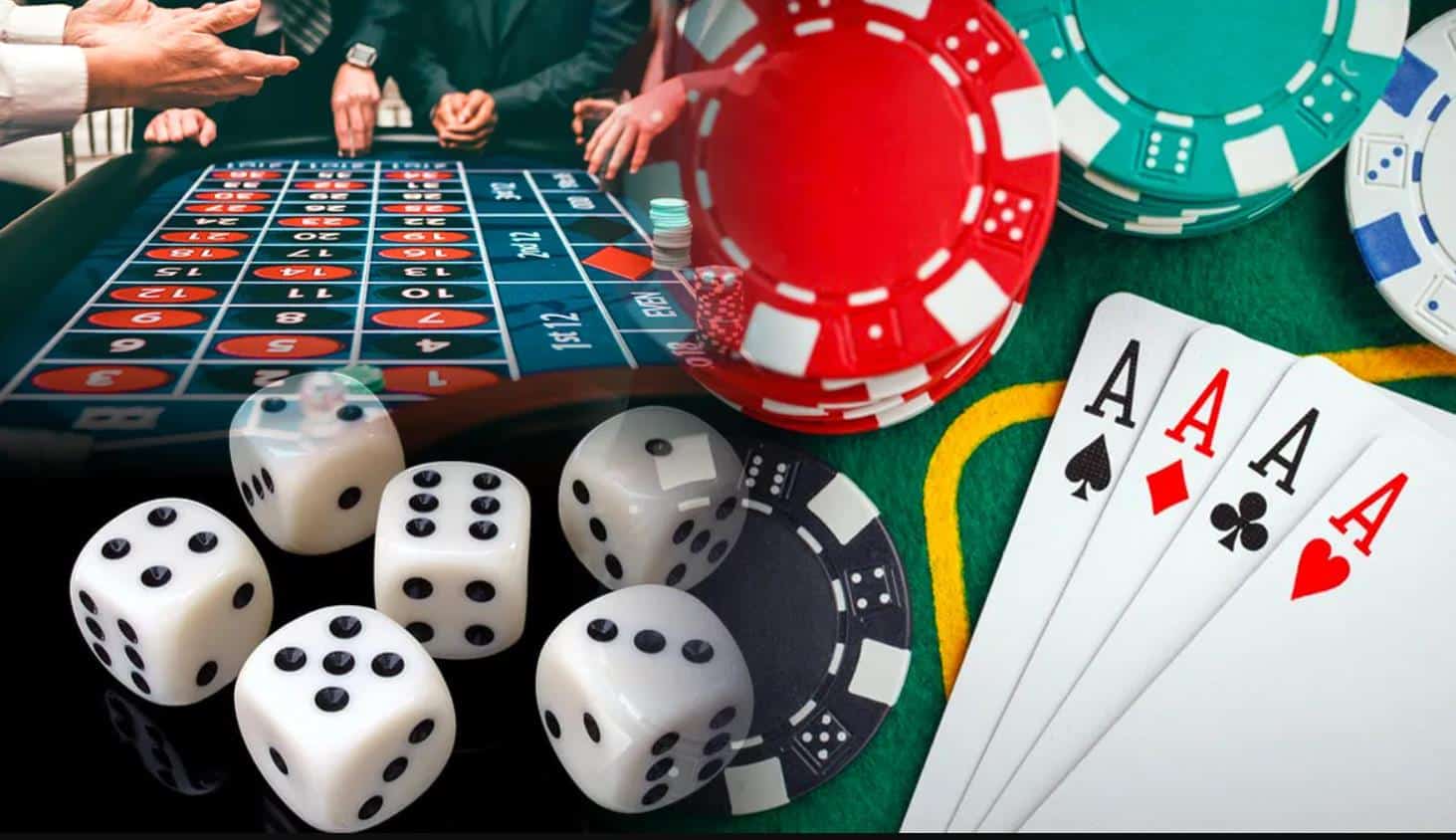
Let It Ride functions as a poker-derived card game where you don’t encounter a dealer’s hand or other players. Rather, you’re up against a fixed paytable. Shuffle Master created it in the 1990s, and it uses a five-card stud format with a variation: you place three equal bets, then you can remove one after viewing your first three cards, and a second after the first community card turns over. To win, your final five-card hand needs at least a pair of tens. That retraction mechanic lets you cut your losses on weak starts while maintaining all three bets in play when the cards seem strong. There’s also an optional progressive side bet that can deliver a jackpot, but it carries a much higher house edge, so view it as a distinct gamble. The game’s simple pace and the thinking involved have made it a staple at both physical and online casinos. Being able to get back two-thirds of your initial wager on a poor hand attracts careful players and anyone who enjoys a skill-based challenge. Recognizing when to pull back and when to keep going is what holds the house edge low and converts the game into a situation where skill actually plays a role.
Navigating the Following Decision Through Confidence
After the opening community card is revealed, you’re viewing four cards and encountering the second choice. The rule: let the next bet stay with any completed paying hand (pair of tens or better), any four cards to a flush, any four cards to an open-ended straight, or any four cards to a royal flush. Four to a flush is always worth riding because the about 19 percent chance of hitting the flush plus an 8-to-1 payout makes this profitable. Open-ended straight draws, with eight outs and about a 17 percent chance, also warrant maintaining the bet in play. Inside straight draws, though, have only four outs and need to be folded. A low pair below tens with no flush or straight draw is not a paying hand, so withdraw; the odds of advancing to two pair or three of a kind on the last card aren’t good enough. Mastering these guidelines guarantees your second decision steadily supports long-term expected value.
Mobile Gaming and UX Considerations
Let It Ride translates exceptionally well to mobile devices. The design—three bet circles, card display, and two action buttons—works neatly on a touchscreen. Big, easy-to-press buttons for ‘Let It us.as.com Ride’ and ‘Pull Back’ reduce input errors, and the card graphics are readable without zooming. The touch interface eliminates any chance of dealer misinterpretation, because each action is confirmed digitally. Portrait mode allows you to play comfortably with one hand, while landscape mode gives you a wider view. The best mobile versions feature a one-tap rebet feature that speeds up play without sacrificing the deliberate pace you need for sound decisions. Platform performance is important: fast loading, stable connectivity, and smooth cashier integration keep your session uninterrupted. At Crusado Casino, the game performs reliably across iOS and Android, with account synchronization so you can move between devices. This mobile optimization means you can hone your strategy during short breaks, keeping the game accessible without losing the strategic depth that sets apart Let It Ride.
The Fundamental Rules and How a Hand Develops
Every round starts with three equal bets placed in the marked circles. The dealer gives you three face-down cards and puts two community cards face down. After you peek at your three cards, you determine: pull back the first bet or keep it. Then the dealer turns over the first community card, and you take the same option for the second bet. Finally, the second community card is shown, and any bets still on the table get paid per the paytable if your five-card hand contains at least a pair of tens. Anything worse forfeits all bets you didn’t pull back earlier. This two-step pullback is the heart of the game, allowing you reduce risk when your starting hand is weak. You do not evaluate your three cards by standard poker rankings; you assess them by what they might become with two more cards. Three cards to a royal flush are huge, while low, unsuited cards with no straight or flush potential should nearly always make you grab that first bet back. Nailing this early decision correct forms the basis of solid strategy.
Bankroll Management and Session Planning
Since each round requires three equal bets up front, your total risk per hand is triple the base unit, even though you can pull two bets back. A sensible session bankroll is at least 40 to 50 times the base unit to handle variance. For example, with a €5 base unit, a €200–€250 session stake gives you a comfortable cushion. Set a win goal and a loss limit before you start playing; that keeps you from chasing losses or giving back profits. Online play quickens the pace, so a session that might last two hours at a physical table can be shortened into 45 minutes. Splitting your total bankroll into smaller session stakes and taking breaks between sessions assists you stay disciplined. Accept that mathematically correct decisions will sometimes miss out on a big hand; regret can cause looser play. Keeping a simple log of your sessions strengthens the long-term view and reveals the value of consistent strategy.
Optimal Strategy for the Initial Decision Point
The first decision, depending entirely on your three cards, is most important. The statistically correct move is to let the first bet ride only when you hold a ready paying hand (pair of tens or better), three cards to a royal flush, or three cards to a straight flush that are consecutive and suited. Fold on the rest. The logic is clear: the bulk of three-card hands won’t turn into a profitable five-card hand sufficiently often to make wagering a full bet worthwhile. For illustration, three suited cards that are not part of a royal or straight flush draw will hit a flush only approximately 4.2 percent of the time, which falls well short to compensating for the common losses. Following these rigid rules is the most effective way to shave down the house edge. Learn these triggers, and the opening decision is no longer a guess and becomes automatic. Here are the specific hands that support letting the first bet ride:
- Any made paying hand (pair of tens or better)
- Three cards to a royal flush
- Three cards to a straight flush that are in a row and suited (e.g., 7-8-9 of hearts)
The Function of the Progressive Jackpot and Additional Bets
The progressive wager works separately from the main game and typically costs one unit per hand. It pays according to a graduated table, with the highest prize for a royal flush commonly connected to a growing jackpot. Weaker hands like a straight flush or four of a kind give predetermined payouts. The house edge on this side bet is usually between 15 and 30 percent, much higher than the primary game’s 3.5 percent. The threshold for the progressive jackpot is theoretically achievable when the meter climbs enough, but that seldom occurs. View the side bet as a fixed entertainment expense, not a relative component of your strategy. Significantly, the side bet is decided whether or not you pulled back your primary bets, so you can still claim the progressive even subsequent to pulling back both main bets. This independence means the optimal main game strategy never changes based on side bet participation.

Safety, Integrity, and Licensing in Internet Play
Real-money online Let It Ride necessitates a platform with appropriate licensing and safeguards. A reputable casino possesses a license from a recognized authority, which requires player fund isolation, regular audits, and controlled gambling tools. The random number generator that mixes the cards must be approved by autonomous testing labs, and you can commonly check those reports through clickable seals on the site. SSL encryption secures your financial transactions and private data. Payment methods should feature trusted options like primary cards, bank transfers, and e-wallets, with explicit processing times. Fast cashouts and transparent transaction histories indicate a credible operator. Controlled gambling features—deposit limits, session reminders, and self-exclusion—are hardly just legal checkboxes; they’re useful safeguards. Before funding, confirm the licensing region, testing accreditations, and available support resources. This due diligence guarantees the game functions equitably and your funds keep protected throughout your playing experience.
How Let It Ride Measures Up to Other Poker-Based Table Games
Let It Ride stands out from other poker-derived table games with that risk-management feature. In Caribbean Stud, you decide to raise or fold after seeing your cards, with no way to reduce your exposure in between. Three Card Poker provides one decision and moves faster, while Ultimate Texas Hold’em offers deeper strategy but can overwhelm new players. Let It Ride’s two withdrawal chances enable you to pull back two-thirds of your initial wager on weak hands, which provides a psychological comfort you won’t find elsewhere. The house edge, around 3.5 percent with optimal play, is competitive with Three Card Poker’s ante-play combo and better than Caribbean Stud’s typical 5 percent. But the edge is sensitive to your decisions; frequent mistakes can push it above 10 percent. Socially, the game creates a relaxed vibe because everyone shares the same community cards and wins or loses together, which works well to live dealer online formats.
Playing Let It Ride in an Online Casino Atmosphere
Gaming online provides clear perks. The display presents your bet circles, cards, and decision buttons neatly, and many sites offer a strategy hint option for beginners. Free from the social pressure of a live table, you can be thorough on every choice. Hand history features allow you to review past rounds and catch mistakes, a learning tool you won’t find in a physical casino. The random number generator is regularly audited for fairness, and bet limits typically cover a wider range than land-based tables, so both micro-stakes players and high rollers can join in. At trusted sites like Crusado Casino, the game runs smoothly on desktop and mobile, with intuitive controls and card graphics that are simple to interpret. The software prevents mechanical errors like inadvertently letting a bet stand, because actions are confirmed before they process. This managed setting makes online Let It Ride a ideal venue to practice strategy and gain confidence before you transition to live dealer tables.
Analyzing the Prize Table and Payment Structure
The standard Let It Ride prize table pays 1,000 to 1 for a royal flush, 200 to 1 for a straight flush, 50 to 1 for four of a kind, 11 to 1 for a full house, 8 to 1 for a flush, 5 to 1 for a straight, 3 to 1 for three of a kind, 2 to 1 for two pair, and even money for a pair of tens or better. Hands that don’t meet the criteria lose whatever bets you placed in play. With ideal strategy, the house edge sits around 3.5 percent, which is competitive for a table game, but mistakes can drive that number way up. The optional progressive side bet takes one unit and pays out for strong hands irrespective of whether you removed your main bets. A royal flush typically unlocks the full jackpot, while lower hands earn fixed bonuses. This side bet generally carries a house edge between 15 and 30 percent, so it’s wisest treated as a separate entertainment cost. Your main game strategy remains the same whether you use the side bet or not. Be sure to examine the exact paytable and side bet rules before playing, because details can change between operators.
Frequent Blunders That Lose Players Money
Even players who understand the basic strategy often stumble into expensive traps https://crusado-casino.eu/. The most common mistake is allowing the first bet ride on three unsuited high cards that miss a pair or a straight flush draw. High cards seem promising, but the chance of pairing one doesn’t warrant the risk. Another frequent error is pursuing inside straight draws at the second decision, where the 8.5 percent hit rate doesn’t compensate for the 5-to-1 payout. Misusing the side bet by bumping up its size to chase progressives is also dangerous, because its house edge is far higher than the main game’s. Online play can speed things up and lead to rushed decisions; slow down and treat bbc.co.uk each hand deliberately. Catching these mistakes early and correcting them safeguards your bankroll and extends your time at the table. Discipline at both decision points differentiates recreational players from those who consistently maintain losses small. Keep these reminders handy to sidestep the common pitfalls:
- Never let the first bet ride on three unsuited high cards without a pair or straight flush draw.
- Don’t go after inside straight draws at the second decision; only open-ended straight draws are worth riding.
- View the side bet as a fixed entertainment expense, not a proportional part of your strategy.
- Set a session loss limit and adhere to it, no matter how the short-term results look.
Building a Sustained Enjoyment Strategy
Let It Ride compensates players who integrate strategic discipline with realistic expectations. The optimal strategy is mathematically proven, and sticking to it reduces the effective house edge, providing you longer sessions for the same bankroll. But short-term variance can still produce losing streaks even with perfect play. The key is to view the game as a long-term hobby, not a quick-profit opportunity. Blending Let It Ride with other table games maintains your mind engaged and prevents fatigue. Use practice modes to test decisions without risk and build confidence. Keep a session log—recording hands played, bet size, and results—to obtain concrete feedback and reinforce good habits. The social side, especially in live dealer formats where players share community cards, brings enjoyment beyond the financial outcome. By focusing on correct decisions rather than individual hand results, you can preserve both your bankroll and your enthusiasm for this uniquely strategic poker variant.
